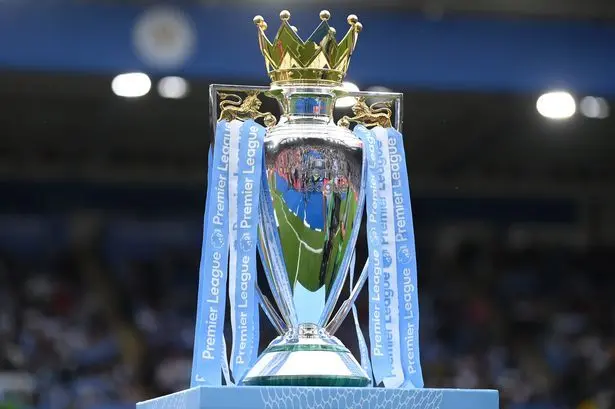
A headline-grabbing law aimed at crushing the booming secondary market for sports tickets has landed, but Premier League supporters will breathe a sigh of relief tinged with frustration. Ministers say selling tickets above face value will be outlawed, yet football has been carved out of the new rules, leaving a thriving resale economy largely untouched.
What the law changes and what it won’t touch
The new legislation makes it a criminal offence to resell sports tickets for more than their original price.
The move comes after a BBC probe revealed thousands of Premier League seats being hawked for two to four times face value on the black market, fuelling public anger and headlines. But despite the headline promise to protect fans, the ban will not apply to football matches.
Why football is excluded
Football ticketing in England and Wales is already governed by the 1994 Criminal Justice and Public Order Act, which forbids anything but organiser-led sales for match tickets.
That means clubs and authorised platforms; for example, when season-ticket holders cannot attend and clubs relist those seats, remain the only legal sellers under current law.
The 1994 Act was originally framed to curb disorder and anti-social behaviour around matches, and its existence is the technical reason football is not folded into the new anti-tout crackdown.
How the cross-border black market thrives
The loophole is practical and profitable. Resale companies based in Spain, Dubai, Germany, Estonia and elsewhere operate outside the jurisdiction of the 1994 Act, so platforms listed as “unauthorised” by the Premier League can advertise tens of thousands of tickets with relative impunity.
BBC Sport’s checks found sites listing huge volumes; more than 18,000 tickets for Arsenal v Nottingham Forest at one point, and investigators were able to buy seats for four matches with prices ranging from £55 to a staggering £14,962, usually with hefty booking fees added. Digital transfers and mobile passes make fulfilment slick, which has helped the practice spread until many insiders call it “endemic” in English football.
A rare exception that hints at a different future
Not every high-value ticket market is being swept away.
Wimbledon has secured an exemption for its debentures, premium five-year seats that include exclusive hospitality and can be traded on a regulated platform.
The stadium’s 3,770 debenture seats can be bought and sold, and this carve-out matters because it shows the government wants to protect certain long-term funding models for venues.
Why Manchester United could watch closely
That nuance matters for clubs planning major developments.
Manchester United’s proposed new £2bn stadium could rely on selling seat licences or similar schemes to guarantee upfront revenue.
Wimbledon-style exemptions suggest the government’s cap isn’t meant to strangle investment in live-event infrastructure.
In practice, tailored products like debentures or seat licences could survive, giving clubs a lawful route to raise the capital needed for redevelopment without falling foul of the new price-cap rules.
What fans should expect next
The crackdown will change the landscape for many sports, but for football supporters, the status quo looks stubbornly persistent.
Cross-border resellers remain able to operate, current law still limits where enforcement can bite, and the digital ticket economy shows no signs of vanishing.
The result is a partial victory for lawmakers and a reminder that fixing football’s resale market will need more than a single bill — it will require targeted enforcement, cross-jurisdictional cooperation and fresh thinking from clubs, regulators and fans alike.





























Comments
Sign in with Google to comment, reply, and like comments.
Continue with Google